Get In Touch

8 Auto offers German customers fleet-ready mobility options, batteries, charging stations, electric cars, and commercial EVs.


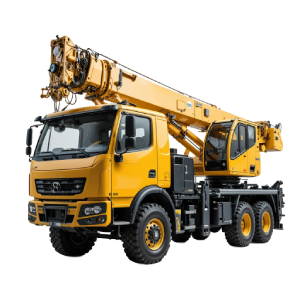


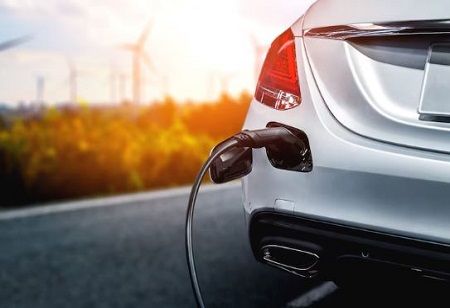
From electric cars and scooters to buses, trucks, vans, patrol cars, batteries, and charging equipment, our portfolio offers a variety of application cases.
Before requesting a price, we assist companies in considering the type of vehicle, charging configuration, fleet requirements, and supply planning.
Germany’s shift toward electric mobility is being shaped by strong industrial standards, dense urban logistics, and one of Europe’s most demanding regulatory environments. 8EV designs and manufactures electric vehicles engineered to meet that standard — combining precision engineering with real-world reliability across passenger, commercial, and public-sector applications.
We don’t just build EVs; we build mobility systems. Every vehicle we produce is backed by battery technology, rapid-charging infrastructure, and fleet-support services designed to work together, not as separate add-ons purchased later.
When comparing Electric Vehicle Manufacturers, Germany’s EV buyers — whether municipal authorities, logistics operators, or private fleet managers — rarely need just a single vehicle. A city procurement team might need electric buses alongside charging infrastructure at depots…
8 Auto was built around this reality. Rather than treating vehicles and charging as separate purchases, we help German businesses plan both together from day one, so infrastructure decisions don’t become a bottleneck once vehicles arrive.
When comparing EV manufacturers, German buyers typically want to know: can this supplier grow with us? Our answer is a catalogue built for exactly that — electric cars, buses, motorbikes, delivery scooters, commercial vans and trucks, public-sector vehicles, industrial equipment, batteries, and charging stations, all under one manufacturer.
One of the most common mistakes fleet buyers make is treating charging infrastructure as an afterthought. We take the opposite approach. Before a single vehicle is delivered, we work through route distances, depot layout, expected downtime windows, and how many additional units might join the fleet in future phases.
For fleets that return to a central depot — delivery vans, buses, service vehicles — this early planning prevents the scheduling headaches that come from installing charging capacity reactively. It also means expansion later doesn’t require reworking infrastructure that was never designed to scale.
Whether you’re scoping a municipal vehicle order, building out a commercial delivery fleet, or planning a phased EV rollout across multiple sites, our team can walk through your vehicle category, use case, and project timeline with you.
Get in touch, and we’ll help you map out the practical next step for your electric vehicle and charging infrastructure plans in Germany.