Get In Touch

 June, 23
Imagine one baggage vehicle falling behind during a tight aircraft turnaround.
The delay may look small from outside the terminal, but the ramp team feels it quickly across loading, towing, passenger movement, and gate timing. Airport ground fleets carry a quiet kind of pressure every day.
Modernization works better when it begins with that pressure, rather than with a simple vehicle replacement plan. A more practical way to begin is to look at the fleet as part of the airport’s daily rhythm.
Airport fleet modernization usually begins with a close look at how vehicles move across the airside area.
Baggage tractors, passenger shuttles, cargo vehicles, towing units, service vehicles, and support equipment all follow different movement patterns during the day.
You may want to study where each vehicle starts, where it waits, how often it runs, and which routes create the most strain. This gives your team a cleaner picture of fuel use, idle time, maintenance pressure, and the vehicles that cause the most operational drag.
Once this picture becomes clear, the upgrade plan feels less like a broad purchase decision.
It starts looking like a grounded operations plan built around real airport movement.
Every airside vehicle has a specific role, so the modern fleet plan should respect that role.
A passenger shuttle needs steady comfort and predictable range, while a towing tractor needs strength, control, and dependable performance near aircraft.
Cargo movement brings a different set of questions, especially when vehicles travel between warehouses, cargo zones, service roads, and nearby logistics points.
This is where an airport may also compare options from a delivery truck manufacturer when planning cleaner movement outside the immediate ramp area.
An electric fleet vehicle supplier can add more value when the conversation begins with the work each vehicle performs.
The goal is to match power, range, load capacity, charging time, and service access to the actual job.
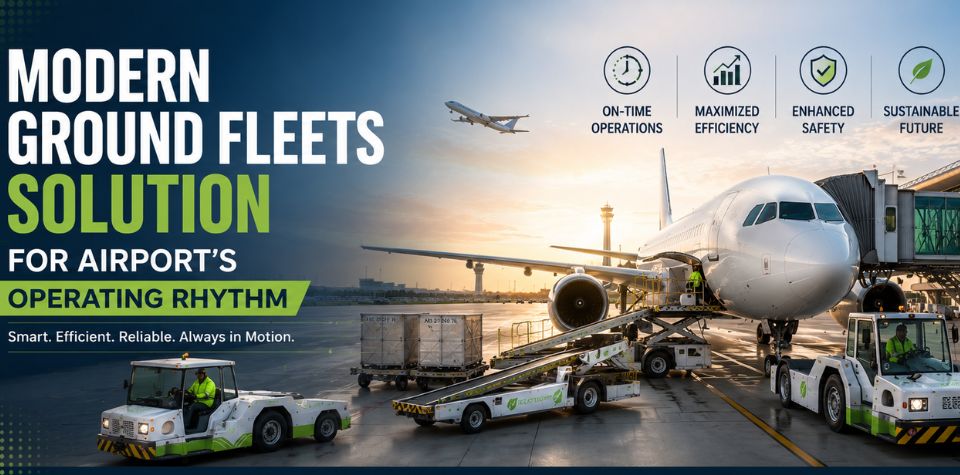
Charging should fit the airport’s operating rhythm, since ground vehicles often move around fixed windows and sharp peaks.
A useful charging plan may look at:
This step matters because charging affects uptime as much as the vehicle itself.
A fleet may look ready on paper, yet the daily charging pattern decides how smoothly it performs during early mornings, late arrivals, and heavy traffic periods.
Modernization also changes how airport teams think about maintenance.
Electric vehicles reduce several routine service tasks linked with conventional engines, but they bring their own checks around batteries, charging systems, software, and electrical components. You may want to plan service access before new vehicles enter daily use.
This includes battery health checks, charger support, spare parts, driver training, and clear response steps when a vehicle needs attention.
Our work across airport vehicles, batteries, charging systems, and electric fleet categories gives us a practical view of this stage.
The strongest fleet plans usually treat after-sales support as part of the upgrade, rather than a separate discussion after delivery.
Airport ground support fleets like cargo lorries, logistic forklifts, etc. work under constant time pressure, so modernization should make daily movement cleaner, safer, and easier to manage.
The best plans usually begin with routes, vehicle roles, charging windows, service access, and the small delays that airside teams already understand well.
Our role sits close to those needs through airport ground vehicles, electric fleet options, batteries, charging support, and logistics-focused mobility.
If your team is reviewing its ground support fleet, a practical first conversation with us can help turn scattered vehicle questions into a clearer modernization plan.
Your email address will not be published. Required fields are marked *