Get In Touch

 February, 16
Using an electric vehicle personally and running one inside a fleet lead to very different outcomes.
Personal driving allows flexibility, recovery time, and individual habits. Fleet use introduces schedules, shared access, and repeat workloads. These conditions expose limits that rarely appear in consumer settings. The difference becomes clear once vehicles enter daily rotation.
So what makes a vehicle truly fleet‑ready?
The answer depends on what the vehicle gets asked to do and how often.
Fleet‑ready electric vehicles are built around repetition. Routes repeat. Shifts follow fixed windows. Vehicles idle, restart, and hand over multiple times each day.
Consumer EVs operate under looser patterns, with longer continuous drives and fewer interruptions.
This difference affects drivetrain tuning, thermal control, and battery behavior.
Vehicles designed for repeated short cycles manage heat and power delivery differently than vehicles optimized for longer runs. When usage stays predictable, small inefficiencies compound quickly. Fleet designs account for this early, while consumer designs prioritize flexibility.
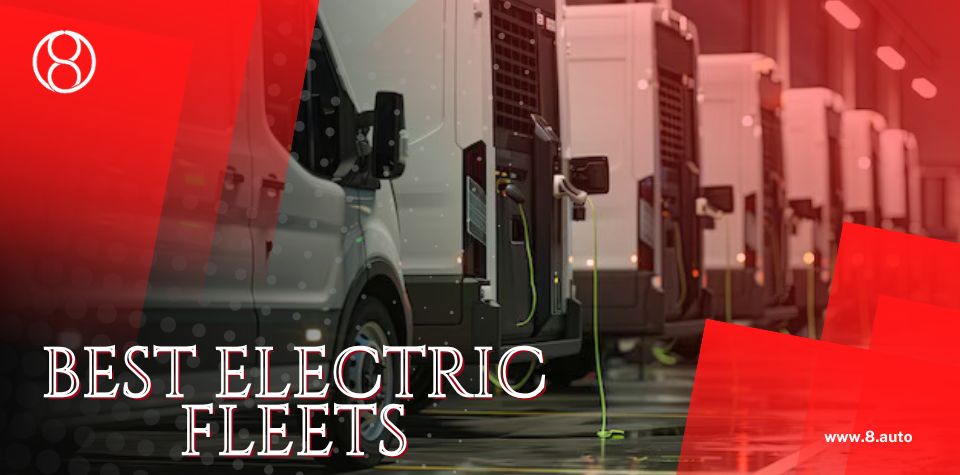
Consumer charging happens during long breaks. Fleet charging happens inside narrow windows.
Vehicles often share chargers and return to service quickly. This makes charging speed, connector access, and site layout operational factors rather than convenience features.
Fleet‑ready EVs align charging behavior with movement patterns. Some support slower charging during extended parking. Others prioritize faster top‑ups during short stops.
Matching charging behavior to site operations keeps vehicles available without changing schedules.
Fleets need vehicles that stay in use. That depends on how fast they can be serviced when needed. Checks happen between runs, not whenever time allows.
Access points, diagnostic ports, and replaceable parts must be reachable without disruption.
If a technician loses time opening up panels, the entire schedule slips.
Vehicles that simplify maintenance stay active longer. That small detail scales when you manage more than one site.
A vehicle only works if it fits how your system already runs. Route timing, handoffs, charger use, and reporting all shape what “fit” actually means.
Where personal EVs adapt to one driver, fleet EVs support shared control, which means layouts that suit handovers, systems that talk to your tools, and designs that hold up in real use.
The tighter the match, the faster your team adapts. That smooth entry matters more than specs on paper.
Payload affects how a vehicle accelerates, brakes, and wears over time.
Consumer EVs usually operate close to curb weight. Fleet vehicles carry tools, goods, or multiple occupants on a routine basis. That added load changes suspension response, braking balance, and energy use.
Fleet‑ready vehicles account for weight variation through structural design and chassis setup.
Stability under load matters more than peak efficiency. Consistent handling reduces driver adaptation and improves safety across shifts. For you, this means fewer adjustments as usage scales.
The difference between consumer EVs and fleet-ready vehicles becomes clearer under real pressure (repetition, load, and fixed scheduling).
Vehicles built for these demands tend to hold up better, especially when integrated into systems that rely on consistency.
Our focus stays on electric car developed for structured environments. These insights come from deployments where vehicles operate beyond the pilot stage and into everyday use, across fleets, industrial sites, and regulated facilities.
When vehicle selection reflects how your operations actually run, the shift to electric becomes far easier to manage over time. If you’re planning a transition or expanding your fleet, talk to us. We’ll walk you through the process.
Your email address will not be published. Required fields are marked *