Get In Touch

 September, 15
A transport authority may begin with a simple target, such as replacing a fixed number of diesel buses over several years.
The real work soon spreads across routes, depots, charging schedules, drivers, workshops, and electricity supply. Each part affects the others, so a large fleet order alone gives the program only one piece of what it needs. A phased plan creates space to test these connections while the program remains manageable.
The first task is to understand how the current service operates before electric buses enter the timetable.
The opening phase should document how buses, passengers, depots, and maintenance teams move through a normal working day.
Useful records include route distance, passenger peaks, stop frequency, layover time, depot return times, deadhead travel, vehicle availability, and seasonal changes in demand.
Timetables may show scheduled movement, while operating records reveal delays, extra mileage, workshop visits, and the routes that regularly place more pressure on vehicles. This baseline gives your team a practical reference for comparing the electric pilot with the service people already use.
Routes become easier to plan when they are grouped by operating pattern instead of being treated as one large network. A short city route with frequent stops and heavy passenger turnover creates a different energy profile from a longer suburban service with steady speeds and fewer boarding points.
Terrain, traffic, climate-control use, layover length, and depot distance also influence which routes belong together.
These groups can help your team identify where the same bus configuration and charging routine may work across several services.
The pilot should represent genuine operating pressure while staying small enough for close observation.
A useful route group may include peak passenger loads, normal traffic, full climate-control use, repeated daily trips, and the usual return schedule.
An electric bus manufacturer can use this route data to discuss passenger capacity, battery size, charging requirements, and vehicle configuration for the first deployment.
The pilot should also record energy use, timetable performance, driver feedback, passenger movement, charging time, and the battery reserve left after each shift.
A depot electrification plan should account for how buses enter, park, charge, receive attention, and leave for the next service. Charger quantity forms only one part of this work, since parking order, cable reach, workshop access, electrical capacity, and morning departure times all affect the depot routine.
A bus arriving late may occupy a space intended for another vehicle, whether a commercial ev charging solutions can fix that or also the order of the morning pull-out. Testing this movement during the pilot gives depot teams a chance to refine parking and charging schedules before the fleet grows.
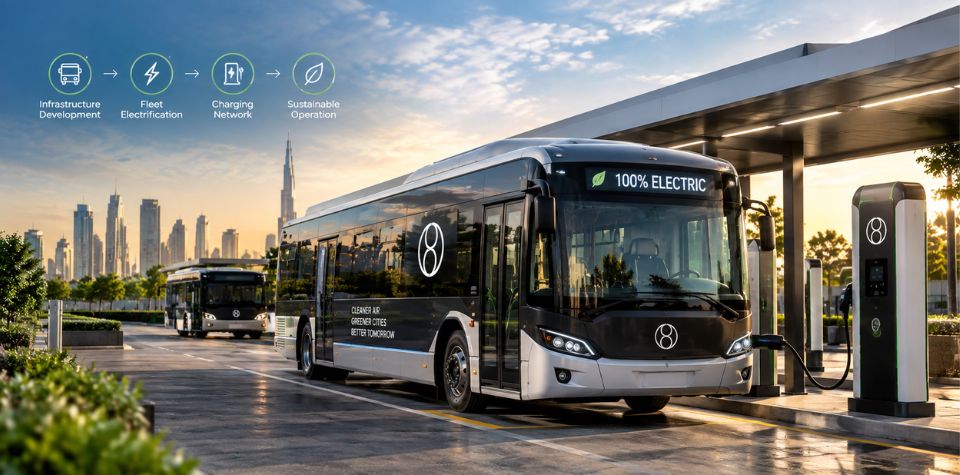
Drivers and operations teams shape how smoothly electric buses perform once they enter regular service. Training can cover energy-conscious acceleration, regenerative braking, charge awareness, fault reporting, route recovery, and the correct response to dashboard alerts.
Dispatch teams also need a clear view of available range, charger status, bus assignments, and backup options during delays. These procedures become stronger when they are tested during real shifts, since early experience often reveals small adjustments that classroom preparation may miss.
Passenger feedback and service performance should guide the programme alongside battery and charging data.
Your team may want to compare boarding comfort, cabin temperature, noise levels, accessibility, timetable reliability, and the way the bus performs during crowded periods.
Drivers and depot staff can add context to those figures by explaining where delays occurred and how easily the bus returned to service. This wider view helps the program assess the whole service experience, rather than judging the pilot through energy use alone.
The next rollout should build on what the pilot proves across routes, depots, vehicles, and staff routines. A route with a comfortable battery reserve and predictable depot return may be ready for more buses, while another route may benefit from a revised layover or added charging capacity.
Seasonal results also deserve attention, since heat, cold, passenger demand, and traffic can change performance across the year. Expanding route group by route group allows each new phase to use lessons from the one before it.
The first few buses usually settle some questions and expose others.
You begin to see which routes leave a comfortable range margin, where buses queue inside the depot, how often chargers stay occupied, and what drivers or workshop teams need during a normal shift.
Our work across electric buses, battery systems, commercial charging, fleet support, and public-sector mobility helps us look at those details as one connected program. Planning a phased public transport rollout? Get in touch with us and let’s talk.
Your email address will not be published. Required fields are marked *