Get In Touch

 July, 9
Imagine approving a vehicle design before anyone has explained how the battery, motor, charger, and control unit will behave together. The drawing looks clean. The numbers look fine.
Then testing begins, and the smaller gaps start showing up through heat, charging delays, weight changes, or service issues. So the first original equipment manufacturer conversation needs a little patience.
You are trying to understand how the partner thinks before you study what they sell.
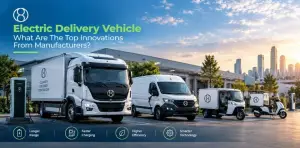
Your vehicle use should shape the early discussion. A passenger car, a delivery van, and an industrial utility vehicle may all use electric systems, but each one works under different pressure. A delivery vehicle may need quick charging between routes.
A worksite vehicle may need stronger load handling and better protection from dust, heat, or uneven ground.
A passenger model may need smoother acceleration, cabin comfort, and tighter packaging. This is a useful place to ask how the partner studies payload, range, terrain, charging windows, service access, and local market needs.
A broad OEM partner can usually bring better context here, especially when the project moves across cars, fleet vehicles, trucks, bikes, or industrial machines.
Battery claims need plain answers. Range matters, but it tells only one part of the story.
Many EV battery suppliers can talk about capacity and charging speed.
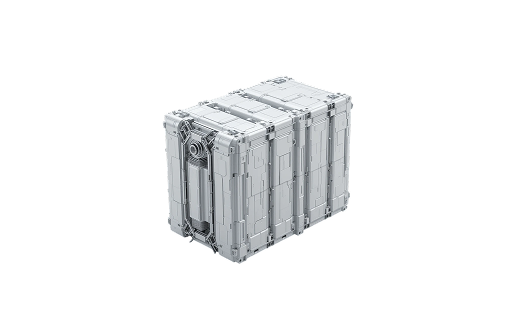
You may want to hear more about chemistry, heat control, cycle life, safety checks, pack layout, and the way the battery performs after repeated daily use.
A battery that suits a light city vehicle may create a very different result inside a heavier commercial model.
This is also where the conversation should connect the pack with the charger, control unit, cooling setup, and expected use pattern.
When those answers sound specific, you get a clearer sense of how much engineering depth sits behind the proposal.
Integration often reveals the real strength of an OEM partner. An electric car manufacturer may compare battery packs, drive motors, onboard chargers, control units, and fast-charging modules as separate items.
The road sees one complete vehicle. The driver feels one response. The service team handles one problem when something behaves poorly. So the better question is simple.
How do these parts work together under load, during charging, and across regular service cycles?
A useful answer should cover energy flow, software coordination, thermal behavior, packaging, fault alerts, and maintenance access.
This kind of discussion can save time later, because it brings engineering choices into the open early.
A prototype can create confidence, but production gives that confidence a real test.
The first working unit may look promising. The next challenge is repeatability across batches, timelines, tooling, validation, compliance, and service planning.
You may want to ask how the partner handles engineering changes after testing. You may also want to know how they manage ramp-up, warranty support, documentation, logistics, and after-sales response.
These details can feel ordinary during early talks, but they become very practical once orders, deadlines, and customer expectations enter the picture.
A partner with OEM support across prototyping, validation, production planning, and service can make this stage easier to judge.
The best OEM EV discussions usually feel practical from the first call. You get clear answers about the vehicle, the battery, the connected systems, the production path, and the support that follows delivery.
This is the kind of conversation we try to build around our OEM work at 8 Auto. Our role sits across EV battery packs, drive systems, charging modules, vehicle control units, and broader vehicle categories, so buyers can discuss the full program in one place.
If your team is comparing OEM EV partners, bring these questions into the next discussion with us. They can help both sides understand the project with more honesty before the real work begins.
Your email address will not be published. Required fields are marked *